
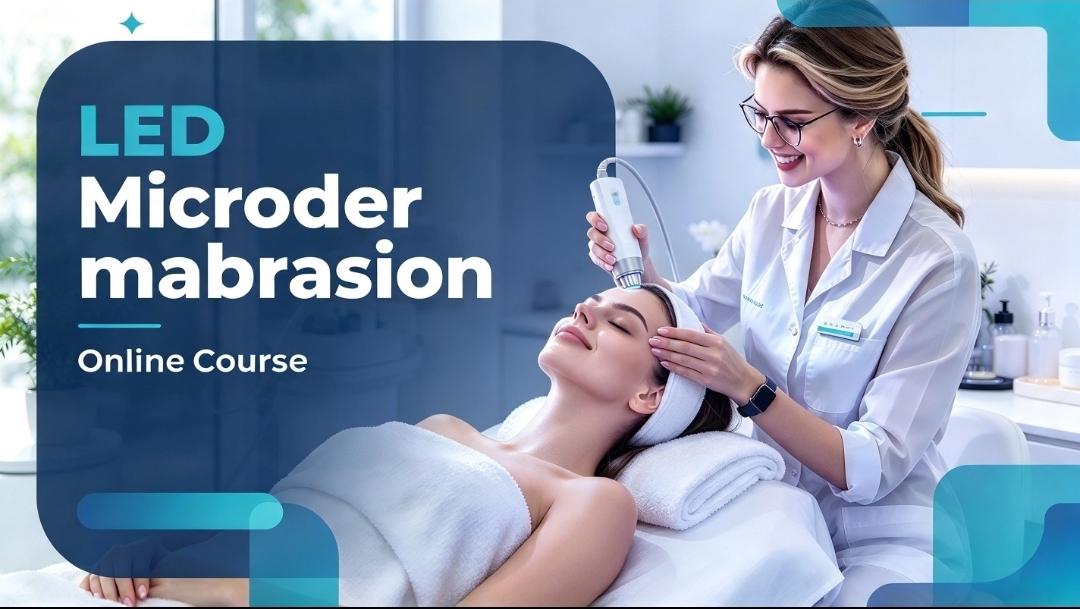
About Course
Your IDM Academy Learning Experience
Learn online with a structured learning experience designed to help you develop your knowledge, improve your understanding and progress through your course at your own pace. Explore the learning features and support options available through IDM Academy.
▶ Video Lessons and Demonstrations
Selected courses include video lessons to help explain subjects, demonstrate techniques and make important information easier to understand. Where video content is provided, you can watch the lessons as part of your online learning experience and revisit them to reinforce your understanding.
♫ Audio Learning
Where available, audio content provides another way to engage with your course. Listen to explanations and supporting information to reinforce your learning and help you understand key topics.
▤ Written Lessons and Learning Materials
Follow organised written lessons that introduce subjects, explain important concepts and develop your knowledge step by step. Depending on the course, materials may also include supporting images, diagrams, additional reading and downloadable resources.
✓ Quizzes and Knowledge Checks
Selected courses include online quizzes and knowledge checks to help you review what you have learned and assess your understanding. Where enabled, you may receive feedback on your answers and be able to review or repeat assessments.
✎ Practical Activities and Assignments
Where included, practical activities and assignments give you opportunities to apply your knowledge, complete learning tasks and demonstrate your understanding. Any submission and feedback arrangements will be explained within the relevant course.
🤖 IDM Academy AI Learning Assistant
Where available, the IDM Academy AI Learning Assistant provides an additional way to explore questions and clarify information while studying. It can help explain terminology, discuss general subject topics and reinforce concepts covered in your course. AI-generated information should be checked against your course materials and appropriate professional guidance.
☎ Online Learner Support
IDM Academy provides online contact and support information for learners who need assistance with their learning experience. Support enquiries may relate to course access, account questions, learning materials and general course information. Availability and response arrangements are subject to the published support arrangements.
▣ Personal Learner Dashboard
Access your learning account through your personal learner dashboard. Depending on the features enabled, you can view your enrolled courses, return to lessons, access account information and review available learning activity.
▥ Course Progress and Lesson Tracking
Follow your progress through the available course lessons. Progress indicators, where enabled, help you identify completed lessons, see what remains and keep track of your learning as you work towards course completion.
☑ Structured Course Curriculum
Each course is organised into sections and individual lessons to provide a clear learning pathway. Explore the curriculum to see the subjects covered and follow the learning sequence from introductory information through to more detailed topics.
◷ Flexible Online Learning
Study online and organise your learning around your own schedule. Work through accessible lessons at a pace that suits you and revisit course material when you need to review it. Course access periods and any time restrictions are explained in the individual course information.
🏅 Course Completion and Certificates
Where a course offers a certificate, eligible learners may be able to access it after meeting the stated completion requirements. Certificate availability and any assessment requirements depend on the individual course.
Please note: Features vary between courses. Video, audio, downloadable resources, quizzes, assignments, AI assistance, progress tracking, learner support and certificates are available where specified and enabled. Please check the individual course description and curriculum for details.
Course Content
Introduction to Microdermabrasion
-
What Is Microdermabrasion?
-
The History and Development of Microdermabrasion
-
How Microdermabrasion Works
-
The Purpose and Benefits of Microdermabrasion
-
Different Types of Microdermabrasion
-
Microdermabrasion Treatment Application
-
Understanding Treatment Limitations
Skin Anatomy and Physiology
-
Understanding Skin Structure
-
The Epidermis and Its Layers
-
The Dermis and Its Functions
-
The Hypodermis and Subcutaneous Tissue
-
Understanding Keratinocytes and Skin Cells
-
The Skin Renewal Process
-
Understanding Desquamation and Exfoliation
-
The Skin Barrier and Its Functions
-
Collagen, Elastin and Skin Structure
-
Skin Ageing and Photoaging
Microdermabrasion Equipment and Technology
-
Introduction to Microdermabrasion Equipment
-
Understanding Diamond-Tip Microdermabrasion
-
Understanding Crystal Microdermabrasion
-
Differences Between Diamond and Crystal Systems
-
Understanding Aluminium Oxide Crystals
-
Understanding Sodium Chloride Crystals
-
Understanding Vacuum Suction Technology
-
Diamond-Tip Selection and Abrasive Grades
-
Machine Settings, Pressure and Treatment Intensity
-
Equipment Preparation and Maintenance
-
Cleaning and Disinfecting Microdermabrasion Equipment
Skin Assessment and Treatment Suitability
-
Understanding Different Skin Types
-
Understanding Different Skin Conditions
-
Skin Assessment Before Microdermabrasion
-
Understanding the Fitzpatrick Skin Phototype Classification
-
Identifying Suitable Candidates
-
Understanding Contraindications
-
Active Acne and Microdermabrasion
-
Rosacea and Sensitive Skin
-
Hyperpigmentation and Post-Inflammatory Pigmentation
-
Acne Scarring and Skin Texture
-
Identifying When to Postpone or Refuse Treatment
-
Client Consultation and Treatment Planning
Health, Safety and Hygiene
-
Health and Safety in Microdermabrasion
-
Infection Prevention and Control
-
Hand Hygiene and Personal Protective Equipment
-
Cleaning, Disinfection and Sterilisation
-
Preventing Cross-Contamination
-
Safe Handling of Microdermabrasion Crystals
-
Equipment Safety and Maintenance
-
Identifying Treatment Risks
-
Recognising Adverse Skin Reactions
-
Managing Treatment Complications
-
Client Records and Treatment Documentation
Microdermabrasion Treatment Procedures
-
Preparing for a Microdermabrasion Treatment
-
Client Consultation and Informed Consen
-
Preparing the Client’s Skin
-
Preparing the Treatment Area and Equipment
-
Understanding Microdermabrasion Treatment Techniques
-
Diamond-Tip Treatment Procedures
-
Crystal Microdermabrasion Treatment Procedures
-
Hand Piece Movement and Treatment Pressure
-
Understanding Treatment Passes
-
Treating Different Facial Areas
-
Monitoring Skin Responses During Treatment
-
Completing the Microdermabrasion Treatment
Skin Concerns and Microdermabrasion Applications
-
Microdermabrasion for Uneven Skin Texture
-
Microdermabrasion for Dull and Uneven Skin Tone
-
Microdermabrasion for Fine Lines and Wrinkles
-
Microdermabrasion and Photoaged Skin
-
Microdermabrasion for Hyperpigmentation
-
Microdermabrasion and Acne Scarring
-
Microdermabrasion and Enlarged Pores
-
Microdermabrasion for Stretch Marks
-
Understanding Treatment Effectiveness and Limitations
Microdermabrasion Aftercare and Skin Recovery
-
Understanding the Skin’s Response After Treatment
-
Skin Barrier Function After Microdermabrasion
-
Understanding Transepidermal Water Loss
-
Skin Hydration and Moisture Retention
-
Managing Temporary Redness and Sensitivity
-
Post-Treatment Skincare Products
-
Sun Protection and UV Exposure
-
Products and Treatments to Avoid After Microdermabrasion
-
Client Aftercare Instructions
-
Monitoring Skin Recovery
-
Planning Subsequent Treatments
Scientific Research and Clinical Evidence
-
Scientific Principles Behind Microdermabrasion
-
Research into Mechanical Exfoliation
-
Clinical Research into Skin Resurfacing
-
Scientific Studies on Skin Barrier Changes
-
Research into Collagen and Dermal Changes
-
Clinical Evidence for Fine Lines and Photoaging
-
Research into Hyperpigmentation and Acne Scarring
-
Understanding Clinical Trial Results
-
Evaluating Treatment Effectiveness
-
Understanding Scientific Evidence and Treatment Limitations
Professional Practice and Treatment Assessment
-
Professional Responsibilities of a Microdermabrasion Therapist
-
Client Communication and Consultation Records
-
Informed Consent and Client Confidentiality
-
Treatment Photography and Progress Records
-
Understanding Professional Insurance Requirements
-
Treatment Case Studies
-
Practical Treatment Demonstration
-
Practical Treatment Assessment
-
Theory Assessment and Knowledge Review
-
Final Course Assessment